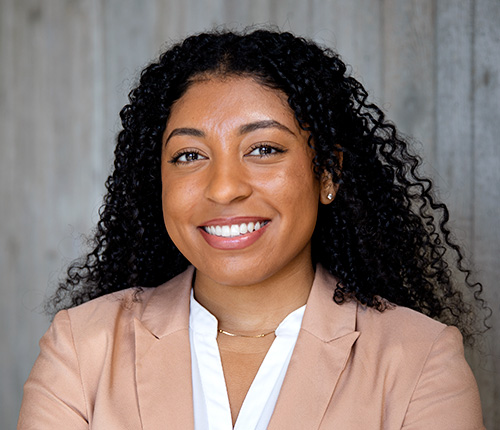
By Alyssa M. Mitchell
Alyssa, a Licensed Architect in Washington, focuses on affordable housing, cultural architecture, and mentorship. She supports design and construction for Laurel Village, graduate student housing for families, and leads equity efforts as Co-Chair of AIA Seattle’s Diversity Roundtable and a NOMA NW Project Pipeline planner.
In my fifth year as a mentor and coordinator, I am honored to serve with NOMA NW at this year’s Project Pipeline camp and celebrate the program’s 20th year nationally. Project Pipeline introduces architecture and urban design to students of color, creating hands-on opportunities to engage with mentors and professionals in the industry while exploring how the built environment shapes our communities.
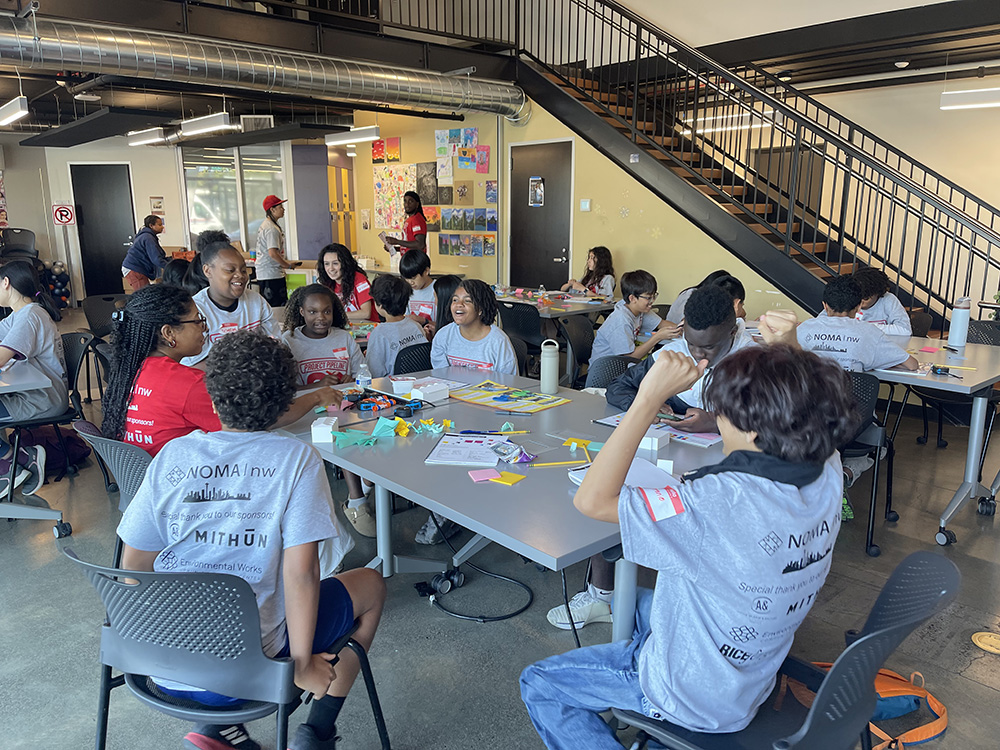
This year’s camp took place at UW Othello Commons in the Rainier Valley, a neighborhood rich with history, culture, and opportunity.
Each year, students are challenged with a unique site and design problem. This year’s site, a vacant lot at 43rd Ave and S Othello Street, is juxtaposed to five religious congregations, creating the opportunity to explore affordable housing on religious-owned land. Donald King, founder of the Nehemiah Initiative, Rico Quirindongo, Director of the Office of Planning and Community Development, and Rachel Berney, Associate Professor at the University of Washington, joined the camp as special guests to introduce the students to this innovative housing incentive. Their perspectives grounded the design challenge in real policy and real community needs, providing inspiration before students began developing their own ideas.
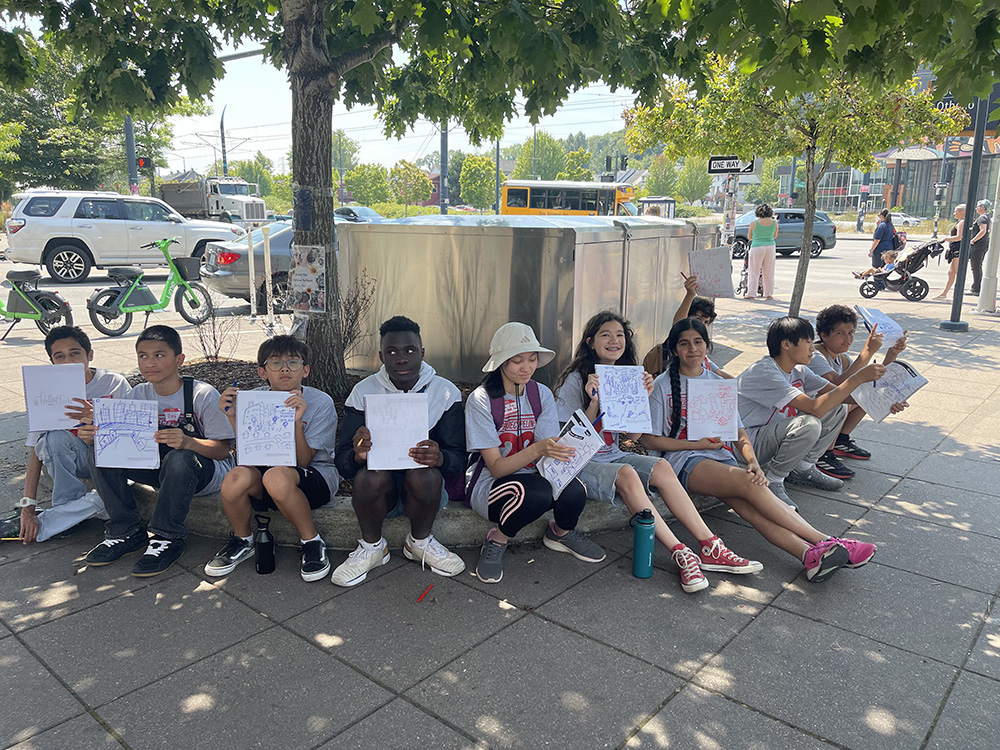
The site gave the opportunity to explore affordable housing on religious-owned land.
The conversations taking place at Project Pipeline mirror work happening across our profession. Seattle continues to grapple with a housing affordability crisis, making this year’s design challenge especially relevant. As an Architect, I have the privilege of contributing to one piece of the solution by designing affordable housing. Weber Thompson’s partnership with LIHI and the New Hope Community Development Institute is one example of this work. New Hope Family Housing, currently under construction in Seattle’s Central District will provide 92 units of affordable housing on church-owned land for low-income families and seniors.
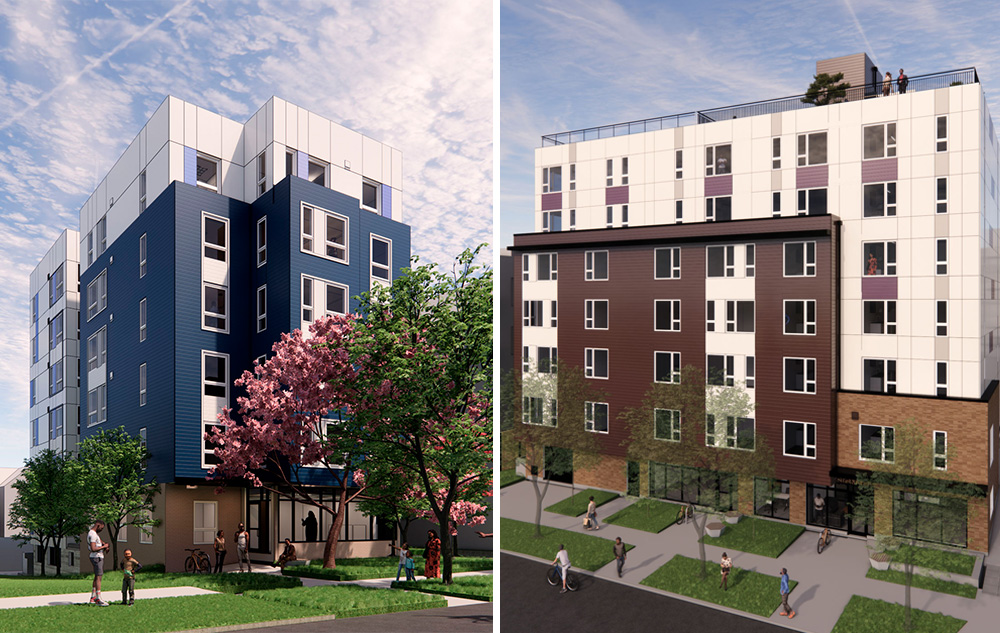
New Hope Family Housing east (left) and west (right) buildings.
The story of New Hope is important for the design community because it was one of the first projects of its kind to leverage the increased density bonus for affordable housing on religious-owned land. This policy was adopted due to the advocacy of architects, community leaders, and policymakers working together. Inspired by this work, I will be presenting at this year’s NOMA Conference in South Florida with a seminar titled New Hope: A Case Study in Delivering Affordable Housing through Policy, Financing, and Design. While Project Pipeline introduces students to the building blocks of design, this national conference offers an opportunity for design professionals to explore how those same ideas are being realized in practice. Seattle has emerged as a leader in this work, and my hope in sharing the story of New Hope is that others will be encouraged to advocate for similar policies in their own communities that can expand opportunities for affordable housing.
Watching students engage with these challenges is always a reminder that the next generation of designers will inherit today’s societal issues and hopefully create even better solutions. I look forward to seeing where their ideas take them and how they will continue to shape equitable communities of the future.
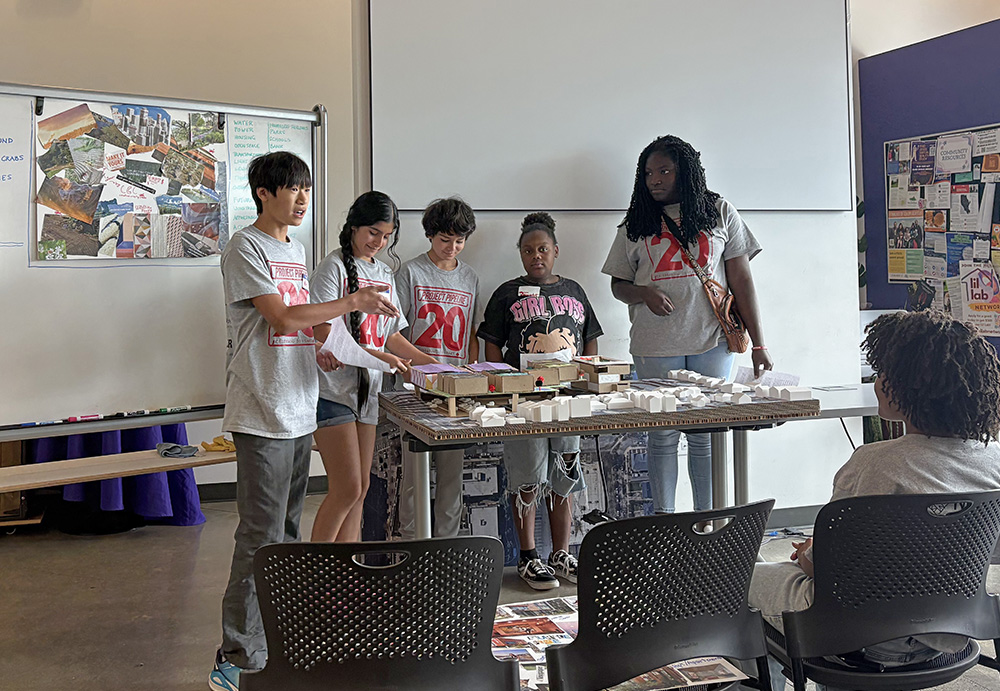
On the final day of camp, students present their work to mentors and families.
Thank you to Weber Thompson for continued support in this work. An additional thank you to Johanna Lirman, Angie Mendoza Tudares, and Jen Primm for volunteering their time to this important initiative.