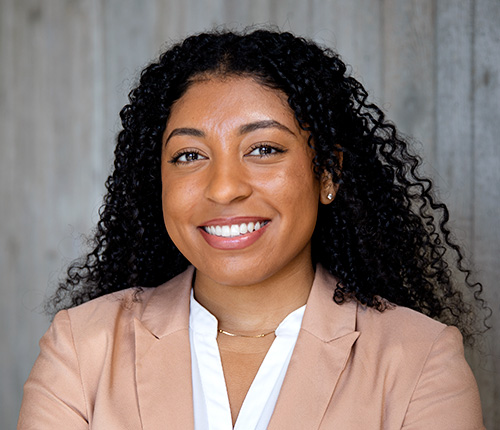
By Alyssa M. Mitchell
Alyssa is an Associate at WT and an active member of NOMA NW, the AIA Seattle Diversity Roundtable, and the AIA Seattle JEDI Council. She is also passionate about youth mentorship and leadership development.
As architects, our influence can extend well beyond the buildings we design. The decisions we make, the policies we support, and the communities we engage with all play a role in shaping the built environment.
This idea was a recurring theme at the 2026 National Organization of Minority Architects (NOMA) Conference, held this past October in Miami. The conference brought together 1,400 architects and designers from around the country to discuss design, community, justice, and other pressing issues in the AEC industry. As an active NOMA member since my time at Carnegie Mellon, the NOMA Conference has served as an annual reminder of the great work taking place in our profession.
This year’s keynote speaker, Bryan Stevenson, a public interest lawyer and founder of the Equal Justice Initiative, delivered a powerful speech emphasizing the importance of proximity to the communities and people we serve, as well as the narratives that shape our country’s history. Themes from his speech centered on the fabric of our communities and how the spaces we inhabit are influenced by the systems in which we live. It was clear, when architects extend their expertise beyond design to serve our communities, that is where meaningful impact happens.
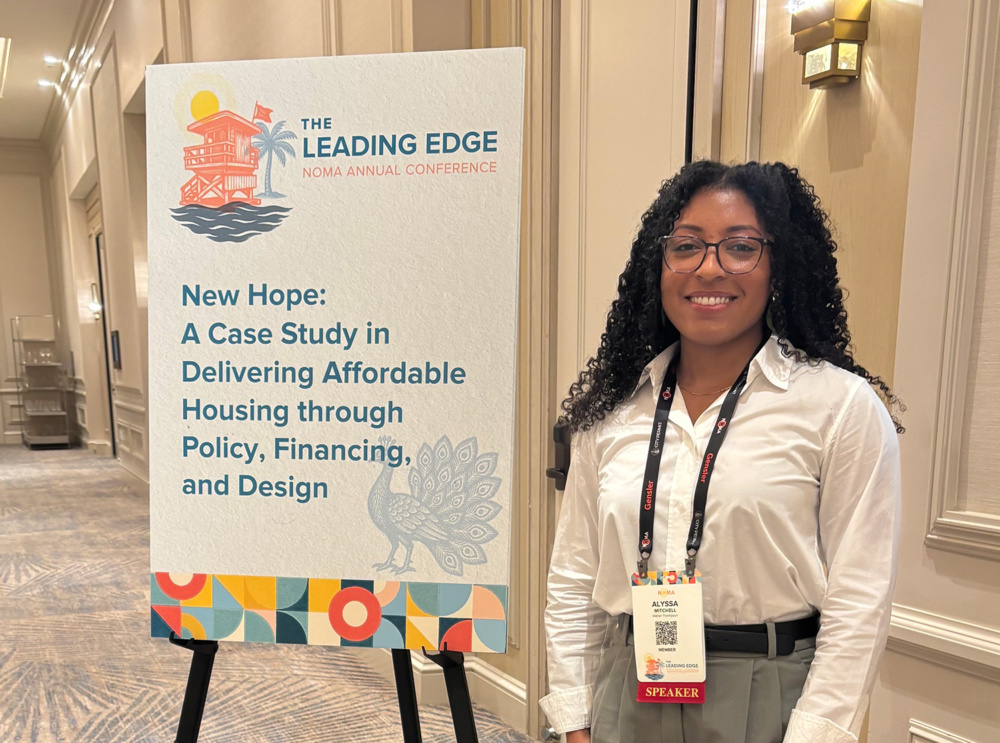
At the conference, I had the opportunity to present New Hope: A Case Study in Delivering Affordable Housing through Policy, Financing, and Design where the idea of architects as advocates was prevalent.
What are we advocating for?
When thinking about architects as advocates, the first question is “What are we advocating for?” During my presentation I explored the following:
- Advocate for affordable housing
As an architect who designs housing, affordability is a top concern, especially in the context of Seattle that is experiencing an affordability crisis. It’s also important to recognize that affordable housing often provides more than a place to live. Developments can include services like childcare, healthcare, and job placement that support residents’ broader needs. As active members of our local community, we can contribute to housing solutions through civic engagement, our vote, and the support of equitable housing policy as a starting point.
- Remain informed on process
The policies, regulations, and funding structures that shape affordable housing development are complex and ever evolving. To remain trusted partners with our clients, we must stay up to date on policy changes and understand how they impact project feasibility and delivery. Additionally, we should understand the financing structures that support affordable housing development. Our role as architects can then extend beyond design to understand the systems that make development possible.
- Design with intention
With affordable housing representing a significant portion of Weber Thompson’s portfolio, we have a responsibility to approach design decisions with intention. The populations we serve may experience higher rates of disability, making accessibility and floor plan layout particularly important. Energy efficiency is another key consideration, as reducing operational costs is of high importance to housing providers. Designing with intention translates to creating spaces that people feel safe and supported in, and are proud to call home.
New Hope Family Housing as a case study for advocacy
New Hope Family Housing is a two-building affordable housing development in Seattle’s Central District, a historically Black neighborhood. Developed through an innovative partnership between New Hope Missionary Baptist Church and the Low Income Housing Institute, the project demonstrates how land owned by faith-based organizations can support equitable development.
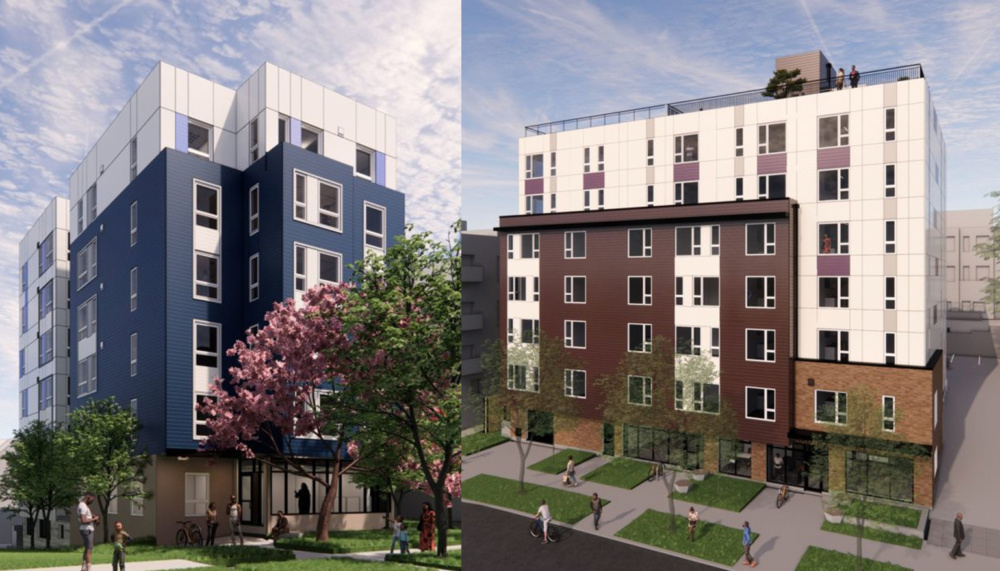
Renderings of New Hope Family Housing East (left) and West (right) located in Seattle’s Central District neighborhood.
A cornerstone of the project was its ability to leverage Substitute House Bill 1377, which allows increased density for affordable housing development on property owned by religious organizations. The initiative came from the recognition that many religious organizations, particularly historically Black churches, own underutilized land that can be developed to address the region’s affordable housing shortage, serve local communities, and invigorate local congregations. Donald King, a local Seattle architect and founder of the Nehemiah Initiative, was one of the policy’s strongest advocates. As of May 2026, eight buildings have utilized this policy, providing a total of 657 affordable units across Seattle. New Hope East and West are two of these projects, with certificates of occupancy anticipated in spring 2027. Policies like SHB 1377 expand the city’s capacity to provide much-needed affordable housing.
My hope is that by sharing the New Hope project on a national stage, jurisdictions across the country will look to Washington as an example and explore creative ways to influence local and state policy to better serve our neighbors who need it most. I am proud of the work we are doing in Washington State, and it was an honor to share that work with the NOMA community.
Taking action
NOMA continues to create a platform to uplift diverse voices within the profession and this year’s conference reinforced the importance of remaining engaged beyond individual project work. This engagement can take many forms, from volunteer leadership within professional organizations to mentoring emerging professionals to influencing policy and other acts of service. My charge to fellow architects is to recognize that we can be a catalyst, supporter, or implementor of policy changes that advance equitable development.
I am grateful for the opportunity to share the story of New Hope Family Housing, and I look forward to celebrating the grand opening in early 2027.
Thank you to my collaborators, Rosey Zhou, Director of Capital Investments, City of Seattle Office of Housing and Aisaya Corbray, Project Manager, Related Northwest.